
sandblast tempered glass
The Essence of Quality Spirit Level A Guideline for Precision and Excellence In the world of construction, carpentry, and architecture, precision is of paramount importance. A key instrument that has stood the test of time in ensuring this precision is the spirit level. Often overlooked, the quality of a spirit level can dramatically affect the accuracy of any project, be it a simple shelf installation or a complex building structure. This article explores the significance of the quality spirit level, alongside best practices for its selection and use. Understanding the Spirit Level A spirit level, commonly referred to as a ‘bubble level,’ consists of a sealed vial filled with liquid and an air bubble. The vial is fixed within a frame, and when the tool is placed on a surface, the position of the bubble indicates whether that surface is level or plumb. The accuracy of a spirit level is fundamentally dependent on the quality of its construction. High-quality spirit levels are manufactured with precision and can yield accurate readings, while inferior products may lead to discrepancies and errors. The Importance of Quality When discussing quality in spirit levels, several factors come into play, including the material used, the manufacturing processes, and the calibration of the tool. A high-quality spirit level is typically constructed from durable materials like aluminum or high-grade plastic, ensuring longevity and resistance to wear. Furthermore, reputable manufacturers often employ rigorous quality control measures to ensure that each tool is calibrated correctly. This means that users can trust their readings, leading to better project outcomes. quality spirit level The consequences of using a subpar spirit level can be significant. Inaccurate readings can lead to misaligned structures, which may cause a cascade of issues ranging from aesthetic imperfections to safety hazards. For example, in construction, walls that are not plumb can lead to structural weaknesses, adversely affecting the integrity of the entire building. Therefore, investing in a quality spirit level is not just a matter of convenience; it is essential for safety and accuracy. Selecting a Quality Spirit Level When choosing a spirit level, consumers should look for certain qualities. First and foremost, the level should be easy to read—features such as large, clear vials with bold markings can significantly enhance usability. Additionally, a good spirit level should have protective features, such as shock-absorbing ends or a rugged exterior, to withstand the rigors of professional use. Another critical factor is the length of the spirit level. While shorter levels (e.g., 24 inches) are ideal for smaller tasks, longer levels (e.g., 48 inches or more) are better for larger projects, offering a more extensive and stable surface for measuring. Digital spirit levels are also emerging in the market; they offer enhanced accuracy and can be useful for advanced projects. Conclusion In conclusion, the quality spirit level is indispensable in fields that prioritize precision and quality. As tools that can make or break a project, selecting a high-quality spirit level is a decision that should not be taken lightly. By understanding the importance of these tools and adhering to selection criteria, professionals and DIY enthusiasts alike can ensure their work is built on a solid foundation of accuracy. Ultimately, embracing quality in spirit levels is a step towards excellence in craftsmanship and construction.
about
sandblast tempered glass
The Precision of Micrometers An Essential Tool in Engineering and Manufacturing Micrometers, often referred to as micrometer screws, are precision measuring instruments used extensively in various fields such as engineering, manufacturing, and scientific research. These devices are crucial for ensuring accurate measurements of objects, often down to a fraction of a millimeter. The significance of micrometers lies in their ability to provide precise measurements, which are essential for maintaining quality control and ensuring that components meet specified tolerances. Micrometers function based on the principle of a screw mechanism, wherein a rotational movement translates into linear movement. This design allows for highly accurate readings, typically ranging from 0.01 mm to 0.001 mm, depending on the type of micrometer. The most common type is the outside micrometer, which measures the external dimensions of an object. There are also inside micrometers for internal measurements and depth micrometers for measuring depth. The precision of a micrometer can be attributed to several key factors, including the material from which it is made, the quality of its manufacturing, and the calibration techniques applied. High-quality micrometers are often constructed from hardened steel or other durable materials that resist wear and maintain their accuracy over time. Furthermore, precise manufacturing processes ensure that the screw threads and measuring faces are perfectly aligned, allowing for accurate measurements without parallax error. the precision of micrometer Calibration is another critical aspect of maintaining the precision of micrometers. Regular calibration against known standards is necessary to ensure that measurements remain accurate . Many professional environments have dedicated calibration equipment to verify the accuracy of their measuring instruments. This step is essential, as even minor deviations can lead to significant errors in manufacturing processes, ultimately affecting product quality and performance. In addition to their mechanical design, modern technology has introduced digital micrometers that offer enhanced precision and ease of use. Digital displays provide easy-to-read measurements and often include additional features, such as data logging and conversion between measurement units. These advancements make digital micrometers particularly appealing in high-precision applications, where users require quick and accurate readings without the potential for human error associated with analog scales. Despite their advantages, users must be adequately trained in the proper use of micrometers to ensure accurate measurements. Factors such as improper handling, environmental conditions, and user technique can all impact the precision of readings. For example, applying excessive force when closing the measuring faces can distort the object being measured, leading to inaccurate results. In conclusion, the precision of micrometers is fundamental to various industries that rely on accurate measurements for product development and quality assurance. From their mechanical design to the necessity of regular calibration and user training, every aspect contributes to the effectiveness of these instruments. As technology continues to evolve, the role of micrometers will remain vital, ensuring that standards of precision are met in an increasingly complex manufacturing landscape. Their significance as an indispensable tool underscores the relationship between precision measurement and successful engineering and manufacturing practices.
-

High quality industrial productsagement

High quality industrial products
View Details -

Meet the diverse needs of customers

Meet the diverse needs of customers
View Details -

Strict quality control

Strict quality control
View Details -

Top raw materials

Top raw materials
View Details -

Trusted supplier

Trusted supplier
View Details
Our application

news and information

water line check valve
Understanding the Importance of Water Line Check Valves Water line check valves play a crucial role

water valve won't shut off
Troubleshooting Your Water Valve Why It Won't Shut Off and How to Fix It Water valves are crucial co

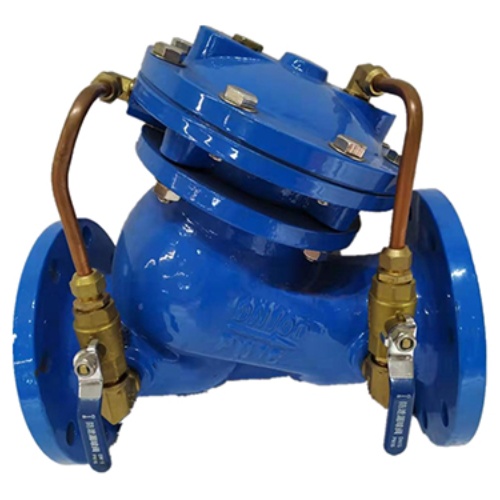
Y Type Strainer Valve for Efficient Fluid Filtration and Flow Control
Understanding Y-Type Strainer Valves Importance and Applications In various industrial and commercia
 English